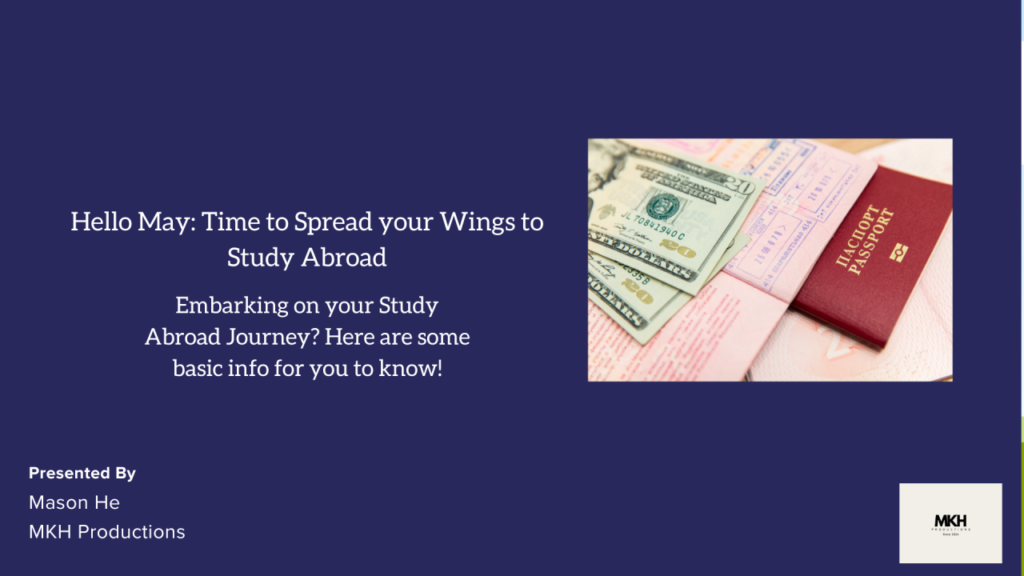
Happy May! It’s that warm time of year where students are either exploring study abroad or already went through the pre-departure orientation & and are almost set to go. In today’s increasingly global world, studying abroad is now a powerful educational experience that shapes not only your academic path but your personal and professional growth. Having studied abroad myself, I’ve come to realize just how impactful this journey can be, and this has pivoted not only my career, but made me more passionate in spreading awareness on what to expect. Ready to discover new perspectives, building resilience, expand global network, and just fun? Read more below.

What Is Studying Abroad?
Studying abroad typically means spending a semester, summer, academic year, or even during a special program, whether it is a faculty-led or an immersive language experience in another country while earning credit toward your degree(sometimes faculty led programs are non-credit programs and more experiences for students to gain). These are chances to step out of your comfort zone and into a new cultural and educational environment.
Top Reasons Why You Should Study Abroad

1. Gain a Global Perspective Living and learning in another country pushes you to see the world through new lenses. You’ll explore global issues from different viewpoints and gain a deeper appreciation for cultural diversity and international collaboration.
2. Experience Personal Growth From navigating unfamiliar streets to bridging language gaps, studying abroad builds resilience, confidence, and independence. These are life lessons no textbook can teach.
3. Enhance Your Career Prospects Employers value international experience—it shows initiative, curiosity, and strong cross-cultural communication skills. Many students return with clearer career goals and a standout resume.
4. Enrich Your Academic Journey Imagine studying marine biology on a tropical island, history in ancient cities, or business in global financial hubs. Abroad, education becomes an immersive and memorable experience.
5. Build Lifelong Friendships & Connections The people you meet—local friends, fellow students, faculty—can become lifelong connections both personally and professionally. You’re not just gaining experiences; you’re building your global network.
What to Prepare & Consider When Choosing a Program

Program Duration Think about how long you want to study abroad. Are you looking at a full semester (3–4 months), a year-long program, or something shorter like a summer, winter, or spring session? Programs range from a few days to several months, so choose what fits best with your academic goals and personal readiness.
Budget Your budget will likely influence your program choice. Be honest about how much you can afford. Consult your study abroad office or major advisor about scholarships and grants. Also look into financial aid, loans, and other funding options. While studying abroad can be expensive, the return on investment—in terms of experience and personal growth—can be invaluable. My advice is, if you responding a bit more than you thought, consider investing into it still and know if you can earn that money back through work.
Educational Goals Ask yourself: Will this program contribute to my academic progress? Will I earn credits toward graduation? Even if it doesn’t offer credit, consider the value of hands-on experience, exposure to new subjects, and professional networking opportunities.
Location & Environment Where do you want to go? Do you have a particular country or city in mind? If you’re undecided, seek inspiration from friends, family, professors, or online resources like travel blogs and videos. Ultimately, pick a destination that excites you and aligns with your goals.
Additional Factors to Consider Don’t forget about the lifestyle aspects—food, culture, music, and history. While you may not know exactly what to expect, going in with curiosity and an open mind will make your journey more enriching. Last but not least, remember to check if you will have a travel document aka passport and know the basics on visas. While a quick Google search will help you find the answers you need, you are free to consult with your study abroad advisor for more specific information.
What to Pack: Nice-to-Haves in Your Luggage

Weather & Fashion Pack based on the local climate and culture. For instance, if you’re heading to South Korea in winter, bring warm layers, padded coats, and thermal wear, along with some comfy and some fashion options(T-shirts, leggings, jeans, accessories, etc) for inside & outside(at least 1-2 pajamas, and 4+ outfits for going out). Planning on attending an event or an occasion where it calls for a dress code? A suit or something semi professional appropriate outfit would be nice(maybe 2) If you plan to shop abroad, especially for clothes, gifts, etc, make sure you do not overpack
Hygiene & Household Goods While most household items can be bought locally, consider bringing essential hygiene products, especially those that may be harder to find. For example, deodorant isn’t commonly sold in some Asian countries, so bring enough to last.
Health Considerations Your physical and mental health matter. For long-term programs, a health clearance may be required. If you have health concerns, speak with your advisor and, if applicable, a therapist. Also consider dietary restrictions, medication needs, and local drug regulations, so do your research before departure.
Electronics & Power Adapters eSIMs are now the norm, but physical SIM cards may still be useful—especially for long stays or if you need a local number for reservations. Bring a universal power adapter if you plan to travel extensively.
Money Matters A mix of cash and credit/debit cards is usually safe. But know the local payment preferences: for example, China relies heavily on digital payment platforms like Alipay and WeChat Pay, while South Korea is mostly card-friendly with some cash use for small transactions. Please note that if you will be bringing USD to exchange – consider airport and outside the airport rates. The rates at the airport are generally worse, with some exceptions like Taiwan, where currency exchange is controlled by the government. As mentioned previously, bringing cash and a debit/credit card that can be used abroad is a safe choice(still bring cash for exchange even if the place widely accepts cards).
Personal documents: Of course, you can never forget your passport when traveling, because without it, you won’t be able to travel. For those applying for a passport or renewing a passport, please note that it takes generally 4-6 weeks for it to process. Special expedited services are provided at an extra cost(2-3 weeks). So please pay attention to that as well as when your passport expires(passport must have at least more than 6 months left to avoid any complications when you arrive). Make sure to know if you need to apply for a visa, depending on the circumstance(if not a visa, a travel electronic authorization for certain countries).
You’re Almost There!! It’s very exciting, but remember to–

1. Manage Your Excitement It’s normal to feel excited, but don’t forget the basics—read all instructions, keep track of deadlines, and stay organized.
2. Follow Instructions Double-check logistics like your passport, visa, and what to pack. Missing a detail can cause major delays.
3. Respect Local Customs Be open-minded and respectful. Every culture is different—observe, ask, and learn as you go.
4. Stay Curious Try new foods, explore new places, and ask questions. Curiosity leads to deeper connections and learning.
5. Step Outside Your Comfort Zone Growth comes from challenge. Say yes to new experiences—you’ll return more confident and capable.
6. Any additional research for you to finish: make sure you finish adding activities to your bucket-list! It would also help to research on what the living costs are like and if public transportation is a reliable source. Finally, if you’re traveling to a place where you are unfamiliar with the language, learning a few of the basic phrases goes a long way!
That’s all it for now for Part 1. In the next part, we will briefly cover what the process is going to be like when you arrive during the beginning of the program & what are some general tips to expect. Happy Saturday and stay tuned! Let me know if there were any tips you wanted to add 🙂
Best,
Mason
MKH Productions